
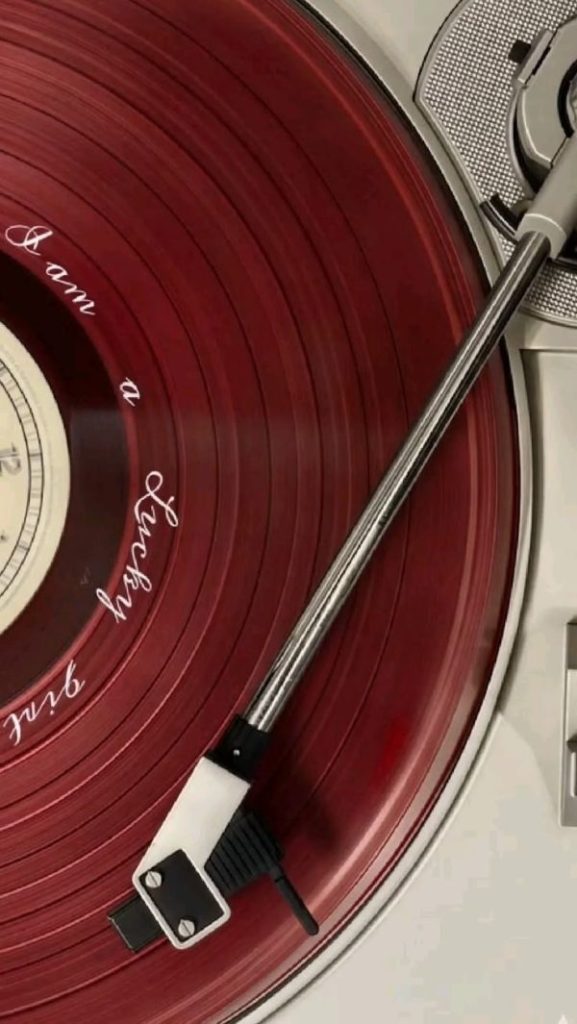
There is a quiet conspiracy at work in every great Bollywood record from the 1960s and 70s. The film studios promoted their hit songs on Side A — the peppy duets, the soaring title tracks, the melodies designed for transistor radios and film trailers. Side A was commerce. Side B was something else entirely.
Flip a copy of Guide (1965) and you land on “Wahan Kaun Hai Tera,” S.D. Burman’s most searching composition, a song that feels less like film music and more like a private conversation with God. Flip Pakeezah and you find “Mausam Hai Aashiqana,” Ghulam Mohammed’s fragile masterpiece, recorded just weeks before his death.
This is the Side B principle: freed from the obligation of the hit, composers and music directors allowed themselves to follow a different instinct. Slower tempos. Unusual ragas. Lyrics that did not resolve into reassurance. The orchestration stripped back to strings and silence.
The Economics of the Flip
In the 78 RPM era, both sides of a record were essentially equal. The single format as we know it — with its mandatory A-side hierarchy — consolidated during India’s shift to 45s and 33s through the late 1950s. By the time the LP dominated, the Side B mythology was fully formed.
Collectors have known for decades what casual listeners are only now discovering through streaming: the depth of Indian film music lies in its corners. The transition piece between two dance numbers. The philosophical couplet tucked after the main theme. The version of a song recorded for the soundtrack album that differs, in tempo or orchestration, from the cut used in the film.
Start digging in the right places — flea markets in Old Delhi, the back shelves of Palika Bazaar, or a well-curated vinyl shop — and the Side B rewards are extraordinary. Lata Mangeshkar at her most unguarded. Rafi working in a modal space that has no western equivalent. Kishore Kumar doing something you cannot quite name.
The point of vinyl, ultimately, is this: it forces you to commit. You choose a side, you lower the needle, and you listen to what was actually recorded rather than what the algorithm decided you wanted. Side B is where the music hid everything it truly meant.
